
888-529-0707 call 24-7 we service throughout california
How to Pay for Car Repairs After an Accident in Visalia
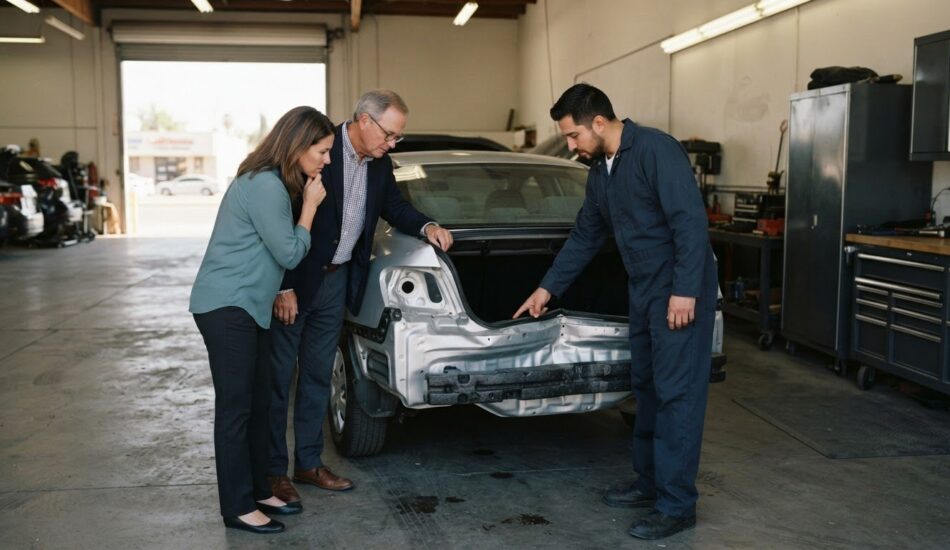
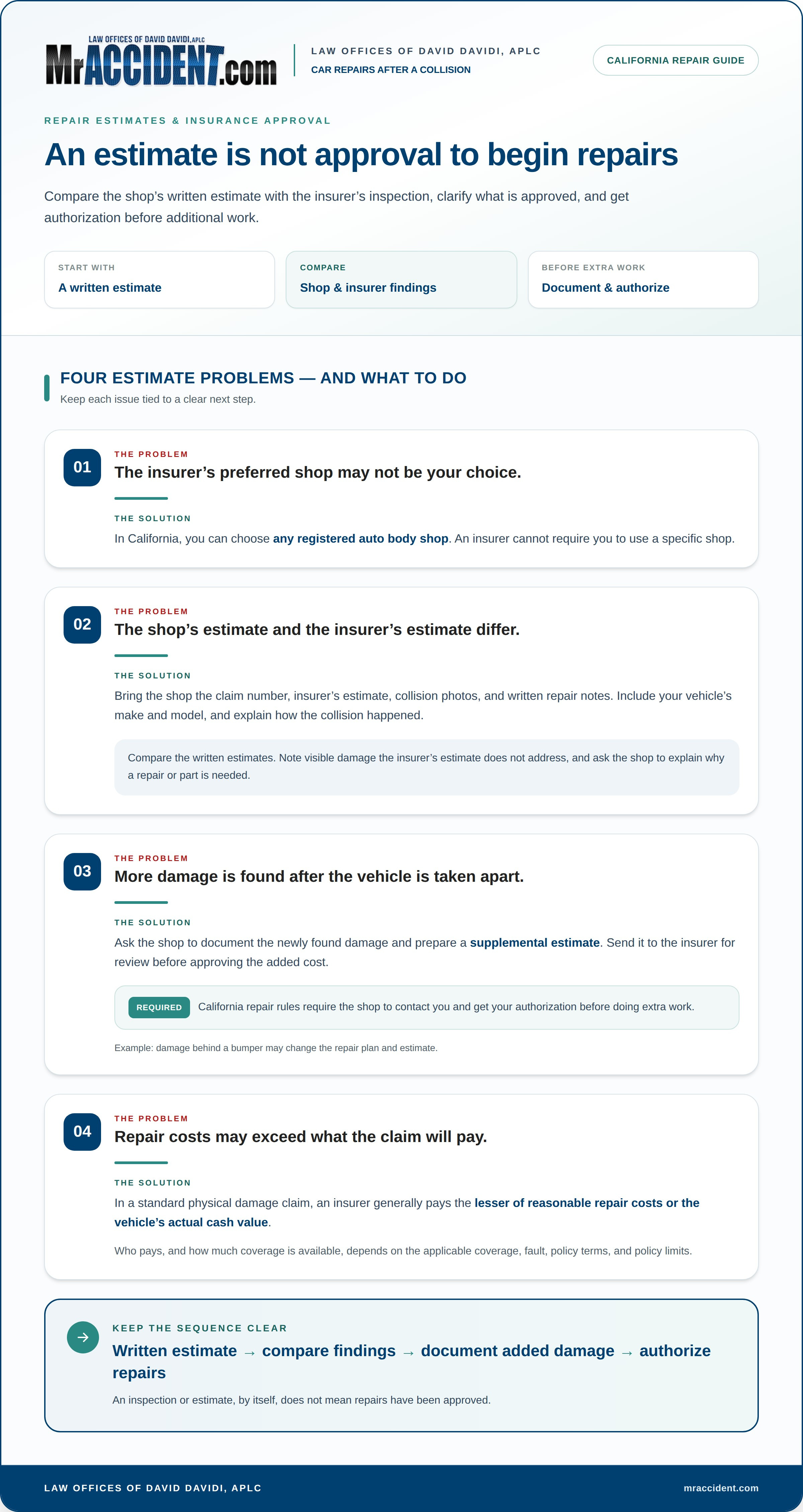
Your insurer’s preferred shop isn’t your only repair option. In California, you can choose any registered auto body shop, and an insurer can’t require you to use a specific one. To understand how to pay for car repairs after an accident in Visalia, first identify which coverage may apply and who may be responsible for the damage.
When your car needs repairs and insurance estimates differ, the payment route depends on whether you use your collision coverage or file a claim against another driver’s insurer. Your policy terms and how responsibility for the crash is determined also matter.
This guide explains how to report the accident, start a claim, compare repair estimates, and review your collision coverage. It also covers when insurance may pay for repairs or replacement, so you can make informed decisions about what to do next.
Key Takeaways
- Report the crash promptly, document damage and injuries, and keep track of any required DMV reporting deadline.
- You can choose a registered auto body shop; review the insurer’s estimate and ask about differences before authorizing repairs.
- Who pays for repairs or replacement depends on available coverage, fault, repair costs, and the vehicle’s value.
- Check your collision coverage and deductible to understand how your own policy may help pay while the claim is being resolved.
Reporting an accident and starting an insurance claim
Follow these steps to document the crash, notify the right parties, and begin insurance claims. California’s reporting requirements and your insurer’s claims process serve separate purposes.
-
Notify the Insurer
Contact your insurer promptly to report the collision, even if you believe another driver was responsible. Provide the date and location, the vehicles involved, and a clear account of what happened. Ask for the claim number, inspection process, and required documents. Keep notes of calls and save written messages to track decisions and settlement discussions.
-
File the Insurance Claim
Open a claim with your insurer and, if another driver may be responsible, notify that driver’s insurer too. Share available photos, witness details, and records of vehicle damage or injuries. Keep vehicle repair information separate from injury records, since these losses may be considered through different parts of the claims process. An inspection or estimate does not, by itself, mean repairs are approved.
- Meet California’s reporting requirements. According to the California Department of Motor Vehicles, a driver involved in a street or highway crash, or a reportable off-highway crash under Section 16000.1, that causes bodily injury, death, or property damage to any one person in excess of $1,000 must report it within 10 days. The report may be made personally or through an insurance agent, broker, or legal representative, on a form approved by the department, to its Sacramento office. The DMV also states that an accident involving an injury or vehicle damage exceeding $750 must be reported within 10 days.
- Document the scene and keep claim records. Call 911 if anyone is injured, stay at the scene until authorities arrive, and record damage and injuries. If possible, move vehicles safely to the roadside and switch on hazard lights. Keep the police report details, claim number, inspection records, estimates, and insurer correspondence together. If an insurer disputes a repair item or settlement amount, ask for its reasoning in writing and retain the estimate and supporting photos.
- Keep separate repair assistance in perspective. California’s Consumer Assistance Program is for eligible emissions-related repairs, not a replacement for an accident insurance claim. According to the California Bureau of Automotive Repair, an applicant’s gross household income must be no more than 225% of the Federal poverty level to qualify for the program’s repair assistance.
Economic damages, including vehicle repair or replacement
Identify which coverage may pay, then document the repair or replacement loss. California rules and your policy terms help determine which expenses may be recoverable.
-
Identify Available Property Damage Coverage
Check whether the other driver’s property damage liability coverage may pay for damage they caused. California requires drivers to carry this coverage, which is designed to pay for property damage caused to others; the applicable policy limit affects available payment. If the at-fault driver is uninsured and identified, California uninsured motorist property damage coverage can cover vehicle damage up to $3,500. Compare the available coverage with documented losses.
-
Assess Repair or Replacement Damages
Get a written repair estimate and keep records of the vehicle’s damage, condition, and related expenses. Repair costs in Visalia depend on the damaged parts, labor, and any hidden damage, so no single estimate applies to every vehicle. In a standard physical damage claim, an insurer generally pays the lesser of reasonable repair costs or the vehicle’s actual cash value.
California’s minimum auto insurance requirements include property damage liability coverage for damage a driver causes to others. Payment is subject to the responsible driver’s policy limits, while your own collision coverage is governed by your policy terms.
-
Account for Additional Repair Damage
If teardown reveals additional damage, ask the auto body shop to document it and prepare a supplemental estimate. California repair rules require the shop to contact you and get your authorization before doing extra work. Send the supplement to the insurer for review before approving the added cost. For example, damage behind a bumper may change the repair plan and estimate.
-
Consider Rental or Loss-of-Use Reimbursement
Review your policy’s rental coverage and terms before arranging a replacement vehicle. If another driver is responsible, you may pursue rental or loss-of-use reimbursement through the property damage claim. Recovery depends on the available coverage and documented repair downtime. Keep rental receipts and repair dates together to connect the expense to the time your vehicle was unavailable.
Repair estimates and insurance approval
Use a written estimate to understand the proposed repairs, compare them with the insurer’s inspection, and clarify what has been approved before work begins. Keep the estimate and related records together so you can address any differences clearly.
-
Prepare for a Repair Estimate
Bring the claim number, insurer’s estimate, collision photos, and written repair notes to the auto body shop. Include your vehicle’s make and model and explain how the collision happened. Point out damage that affects safe operation, and keep injury records separate from repair evidence. These details help the estimator assess visible damage and raise specific questions with the insurer’s claims department.
-
Gather Evidence for Estimates
Show the estimator clear photos of each damaged area, including close-ups and wider shots that show where the damage is on the vehicle. Compare them with the insurer’s estimate and note any visible damage it doesn’t address. A written record can help the shop explain why a repair or part is needed. If an inspection reveals hidden damage, request documentation before the repair plan changes.
-
Obtain Independent Written Estimates
Request an independent written estimate from a registered auto body shop, even while an insurance claim remains open. California’s Auto Body Repair Consumer Bill of Rights includes this right under 10 CCR section 2695.85. If an insurer bases its settlement on a written estimate prepared by or for the insurer, it must provide you a copy under 10 CCR section 2695.8. Compare the estimates line by line, including parts and labor.
Before repairs start, review the shop’s estimate and ask it to identify parts as new, used, aftermarket, reconditioned, or rebuilt. You must authorize repair work before the shop begins. The shop and insurer may assist with inspections, but approval of a claim estimate doesn’t replace your authorization. Keep a copy of the approved estimate and any later supplement with your claim records.
Checking insurance coverage for collision repairs
Review your policy before scheduling collision repairs, then clarify how the insurer will handle estimates, payments, and your deductible. Knowing how to pay for car repairs after an accident in Visalia also means understanding which costs your policy leaves you responsible for.
-
Communicate With Insurance Adjusters
Contact the adjuster assigned to your claim and ask which collision coverage applies, what deductible you owe, and whether an inspection is required. Keep the adjuster’s answers with your claim records. California Insurance Code section 758.5, cited by the California Legislature, covers rules concerning a customer’s choice of auto body shop and insurer payment for repairs. Insurance companies can’t require a specific shop.
A deductible waiver or reimbursement isn’t automatic. Your policy determines whether a waiver applies, and reimbursement may depend on recovering money from the responsible driver’s coverage.
-
Coordinate Insurance Repair Payments
Ask the adjuster how payment will be issued and which documents are needed. California insurers must pay the reasonable cost of repairs completed to accepted trade standards when you choose your own shop. Ask the adjuster to explain how the estimate reflects the repairs and any differences in shop pricing. Keep the written estimate and payment explanation together and compare them before authorizing repairs.
Collision coverage generally pays for vehicle damage caused by contact with another vehicle or object, regardless of fault, subject to your policy terms and deductible. Your coverage limits and deductible affect how much you pay out of pocket.
- Check your policy for repair-shop restrictions or certified-shop provisions. Some policies cover collision repairs at certified shops, while California rules protect your right to choose an auto body shop. If estimates differ, ask the adjuster to explain the differences in labor, parts, or repair methods. If you’re deciding how to pay for car repairs after an accident in Visalia, written answers can clarify the approved amount and any balance you may owe.
- Financing, payment plans, and assistance for Visalia repairs are separate from insurance coverage. Your policy identifies covered collision payments and deductible obligations; any payment arrangement for the remaining charge depends on the arrangement available through the repair shop. Before work begins, clarify the insurer’s approved amount and the balance you may owe. For help addressing a disputed collision claim, discuss your claim with Law Offices of David Davidi, APLC.
Law Offices of David Davidi, APLC
Law Offices of David Davidi, APLC can help when an accident claim raises questions about fault, repair costs, or insurance payment. If an insurer disputes responsibility, challenges a repair estimate, or offers less than the documented vehicle loss, legal representation can help you understand your options and pursue a property damage claim. The firm also represents people injured in car, truck, motorcycle, and pedestrian accidents, where injury claims may need attention alongside vehicle damage. Bring your claim correspondence, estimates, photographs, and payment records to help explain what happened and where the dispute stands. You don’t have to sort through a difficult claim alone. Contact Law Offices of David Davidi, APLC to discuss your accident and the insurance issues affecting your next steps.
Move Forward With a Clear Plan
The repair process can affect more than your vehicle. It can disrupt work, family responsibilities, and everyday travel around Visalia. Give yourself room to make decisions deliberately. Keep a simple record of upcoming repair appointments, insurer communications, and choices that could affect your transportation. A clear written trail can make the next conversation about your claim more focused.
Knowing how to pay for car repairs after an accident in Visalia can help you regain control after a stressful event. If you’re unsure how a disputed claim or injury affects your next steps, legal guidance can help you understand the issues and decide what to do. You deserve to have your concerns heard and your options explained clearly.
Reach out to Law Offices of David Davidi, APLC to discuss your situation. Take the next step at a pace that feels right, with a clearer path forward.
Frequently Asked Questions
Do I have to use a preferred or “select” shop?
No. California drivers may choose their own registered auto body shop instead of using an insurer’s preferred shop. If you choose your own shop, the insurer must pay reasonable repair costs for work completed to accepted trade standards and can’t reduce payment based on a preferred shop’s lower price. Ask how the insurer will review your chosen shop’s estimate and request written explanations of any differences.
Do I need a police report to get an estimate?
No. A police report isn’t required for an auto body shop to inspect your vehicle and prepare a written estimate. The shop can assess visible damage and document proposed repairs. A report may provide useful information for an insurance claim, but it serves a different purpose from a repair estimate. Bring any claim details and damage photos you have so the shop can connect its inspection to the collision.
Who pays for car repairs after an accident in California if another driver is at fault?
The at-fault driver’s property damage liability coverage is intended to pay for damage they cause to another person’s vehicle. The insurer’s payment depends on accepted repair costs, the vehicle’s value, and the available policy coverage. If responsibility is disputed or the other driver is uninsured, your own collision coverage may be another option, subject to its deductible and policy terms. Keep repair records to support your claim.
How do I file a car insurance claim for accident repairs in Visalia, California?
Notify your insurer, provide the crash details, and ask for a claim number and the adjuster’s contact information. Share photos, the other driver’s information, and a written repair estimate as they become available. If another driver may be responsible, notify that insurer too. If one estimate identifies damage missing from another, for example, send both to the adjuster and ask for a written explanation of the difference.
Does collision insurance cover repairs if I caused the accident?
Collision coverage generally pays for damage to your vehicle from contact with another vehicle or object, regardless of who caused the crash. Your policy terms and deductible still apply, so check how they affect the insurer’s payment and your out-of-pocket share. For example, collision coverage may apply if your vehicle hits a fixed object, even when no other driver’s property damage policy is involved.
How do insurance companies handle repair estimates, supplements, and total-loss claims in California?
An insurer may base its settlement on a written estimate and must provide you with a copy if the estimate was prepared by or for the insurer. If teardown reveals more damage, the shop must contact you and get your authorization before doing extra work. In a standard physical damage claim, payment is generally limited to the lesser of reasonable repair costs or the vehicle’s actual cash value. Review the written figures before accepting settlement terms.

Law Offices of David Davidi, APLC is a California – based Personal Injury Law Firm, our Attorney’s provide the representation for your personal injury, accident, product liability, premises liability, and other
negligence resulting in injuries. We treat all clients and cases, large or small, with hands-on care.
Practice Area
© Copyright 2026 Law Offices of David Davidi, APLC. All rights reserved.
Digital Marketing By 